Tanveer Rashid Magrey
The infamous Treaty of Amritsar in March 1846 which sold all the Kashmiris for not only 75,00000 nanak shahi, but also three “kani jammawar shawl” every year to be presented by Mahraja as token of respect to British Government, as part of the agreement.
Not only this, kani shawl also makes it to many other important historical documents and books like Kalhan’s “Rajtarangni”, Frank Ames’ “The Kashmir Shawl and its Indo-French Influence”, Sherry Rehman’s “The Kashmir Shawl: From Jamavar to Paisley”.
The mention of the kani shawls in these important historical documents speaks volumes about the chequered history of this craft in the state.
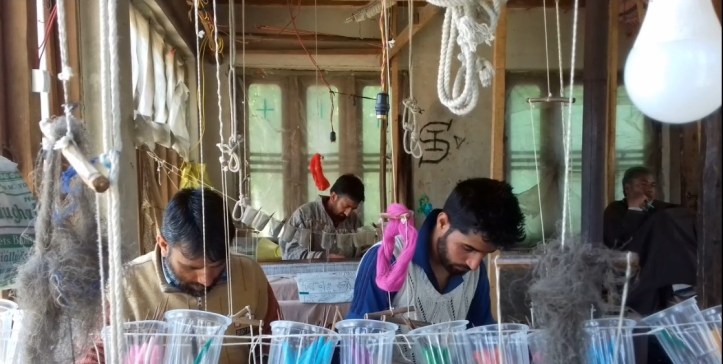
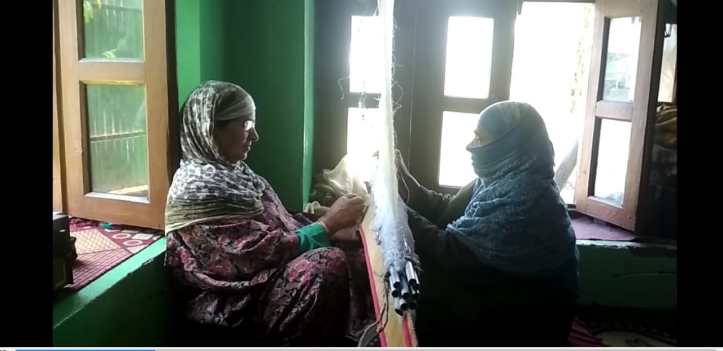
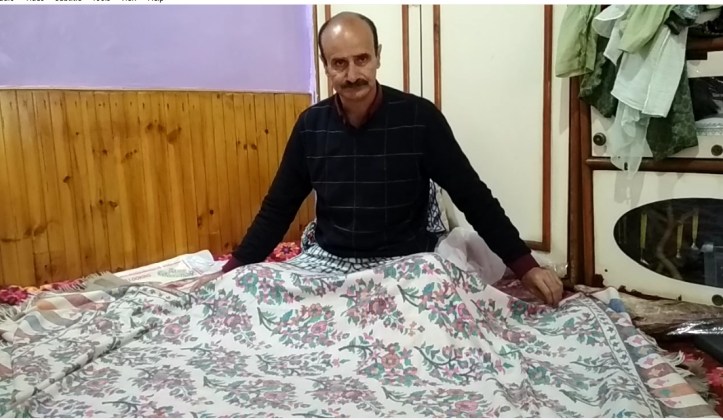
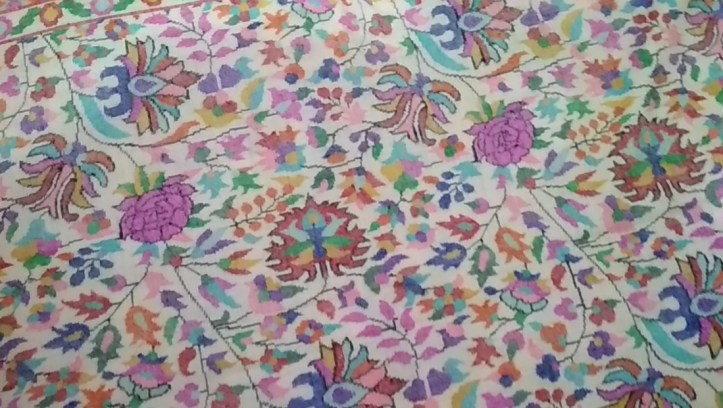
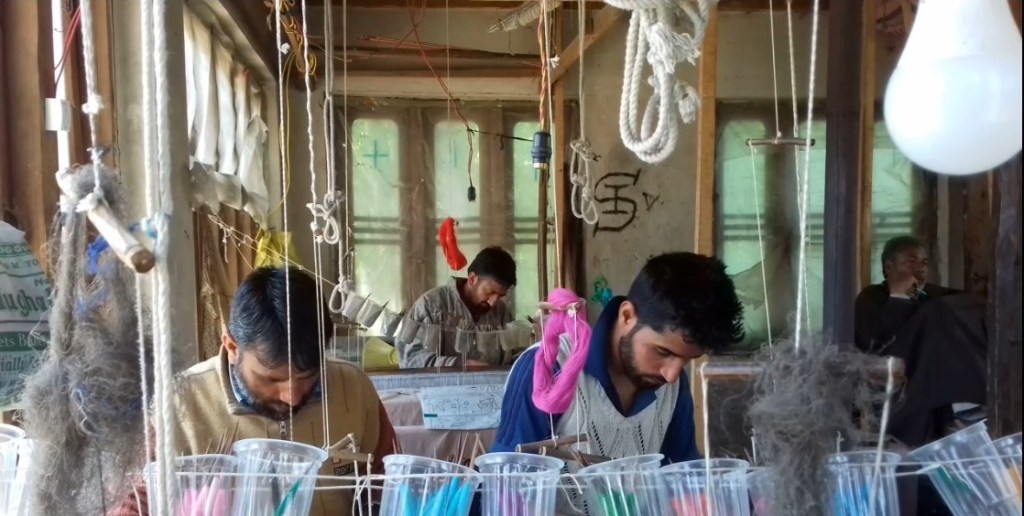
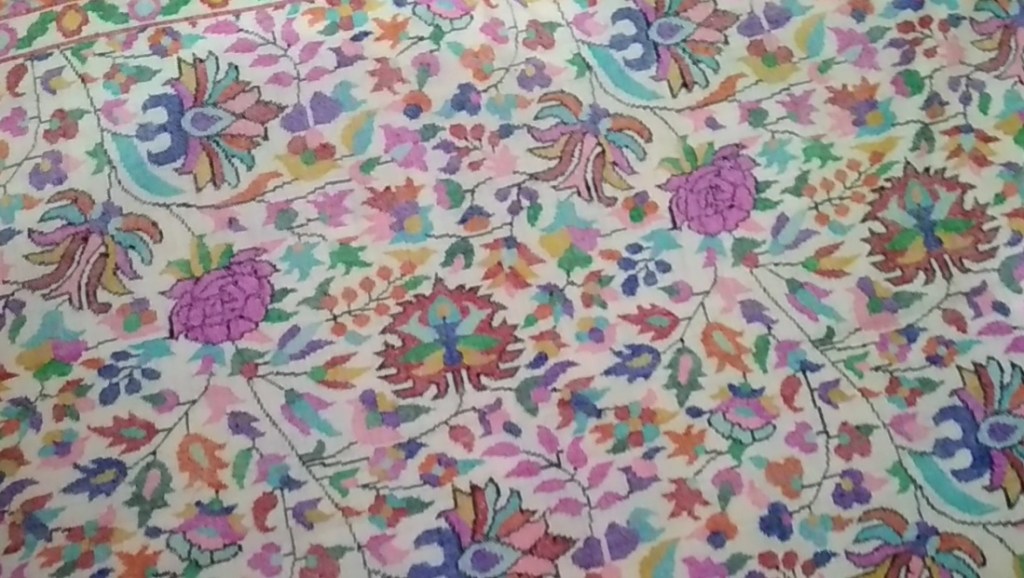
Kani shawl’s history in Kashmir is tailored to a village called Kanihama in central Kashmir’s Budgam district. A repository of kani shawl looms, Kanihama, nestled on Srinagar–Gulmarg highway near Magam town, caters to the demands of those who have a liking for the meticulously embroidered shawls.
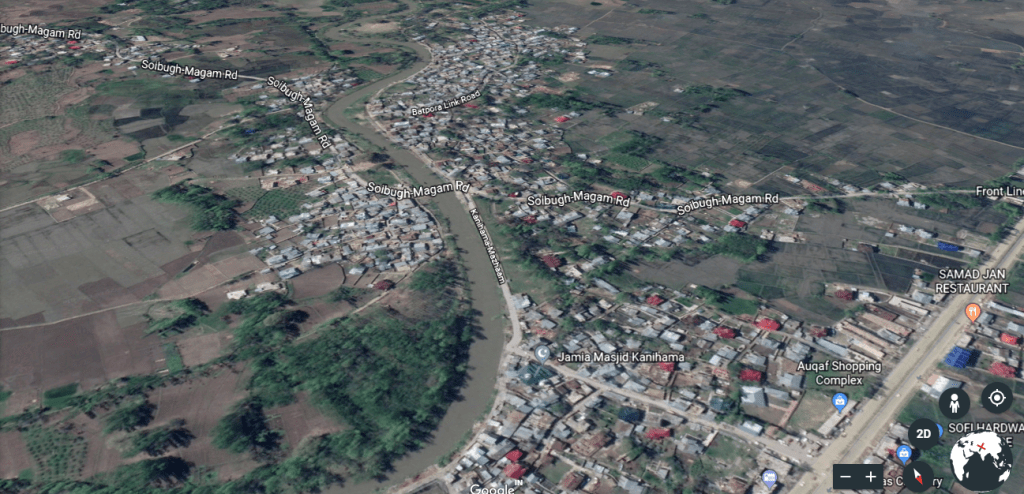
Named after this shawl only, Kanihama, the village which was earlier called Gund Karihama, traces its history from Ghulam Mohd Kanihami who went miles to revive this craft in the valley. Kanihami was in the legislative assembly during Ghulam Mohammad Bakhshi’s regime but his love for the beautiful craft drifted him away from the political landscape of Kashmir.
“Such was the height of my father’s love for kani shawl that he hung up his boots in politics only to revive kani shawl in Kashmir,”
says late legislator’s son , Sajad Ahmad Wani.
Currently, Sajad owns more than 20 kani shawl looms where more than 50 people are employed.
“Our family has been associated with kani shawl since 1777. Meanwhile, the craft got extinct from the valley. Then, my father revived it during the 1960s,” informs sajad adding that they dispatch the handmade shawls to England, France, Holland, Austria and many other places.
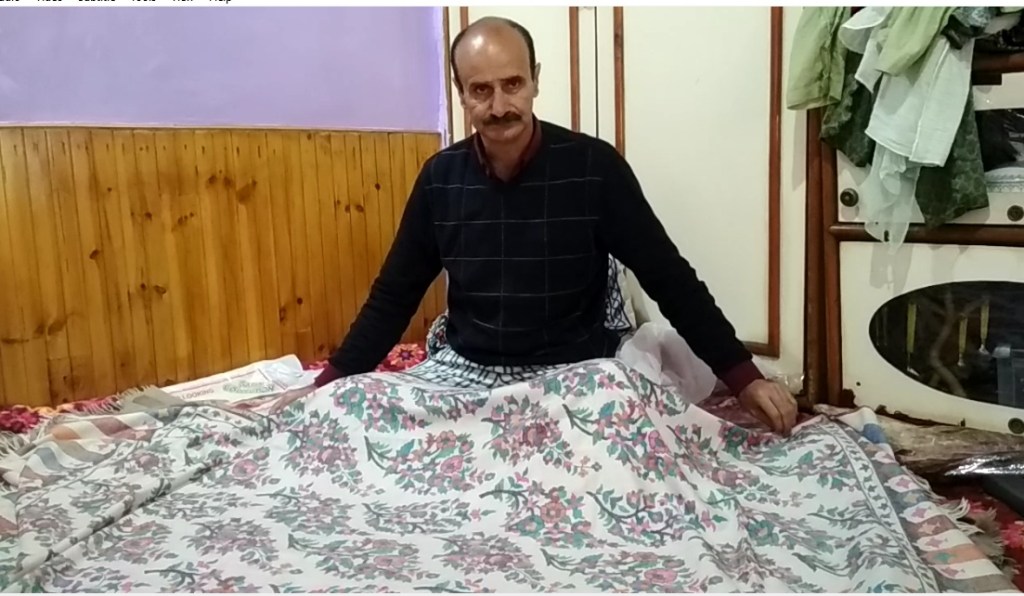
After the unprecedented sufferings during Afghan and Dogra rule, Kashmir handicraft and craftsmen started making a comeback after 1947. It is believed that after 1960, Ghulam Mohd Kanihami roped in an old man, Ghulam Qadir who was the lone surviving artist, to train a dozen boys in Kanihama.
Tweet
“His name was Ghulam Qadir. He might have been in nineties. He taught the niceties of this art to 10 to 12 boys and that is how it all started,”
said Wani.
Recalling the early 1980s and 1990s when only 79 boys were associated with this art, Ramzan, who owns one of loom says,
“During those days handloom officials from government came to find out how many people are associated with this craft. There were only 79 boys working in this (kani shawl) craft but the succeeding decades saw an uptick in the craftsmen in this art.”
Despite being an important craft historically, the workers associated with the craft have been going through a difficult phase for long now. Making no bones about the decreasing wages, Mohd Ashraf Reshi, a worker at Kanihama village says,
“Although being considered an important craft, the craftsmen are facing many hardships. We earn very less. It is very difficult to sustain family on Rs 250 a day.”
To address the genuine issues of weavers, Kani Shawl Gulainar Kani Shawl Cooperative Society was also founded with Ghulam Mohd Kanihami as its first head.
Picking holes in the government’s Mudra Scheme meant for artisans, Riyaz Ahmad Dar, an artisan says, “To avail this scheme, we need to have a guarantor working in the government sector. Since no government employee agrees for the guarantee, the scheme becomes useless for us.”
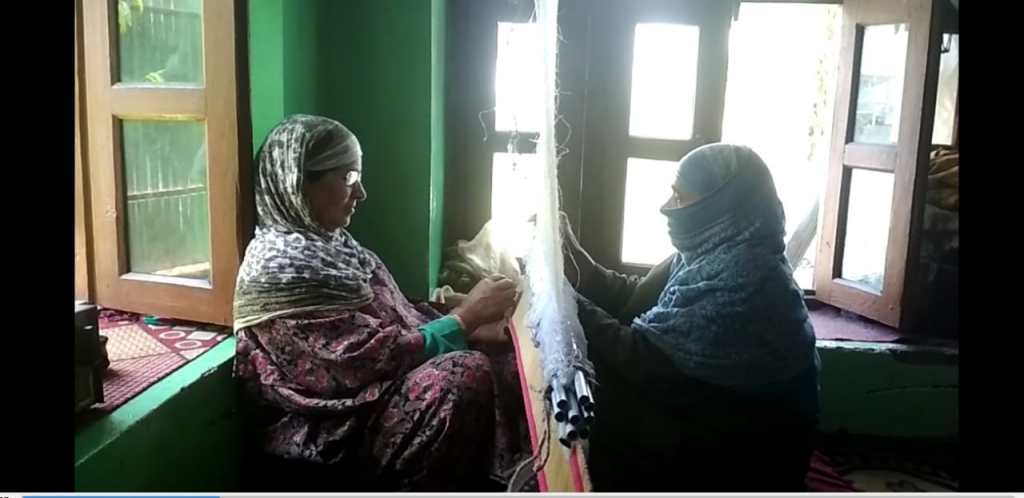
Even though the village boasts of having threaded out the gems with their deft hands from its more than 50 looms which fulfils the sartorial demands at the foreign shores, the condition of the workers associated with this craft is going from bad to worst.
 tanveer.photo.blog